


Share This Article
While electric vehicles continue to represent the future of mobility, many global automakers are currently shifting their focus toward hybrid technology as a practical transition solution. In recent years, several manufacturers have slightly slowed down aggressive EV expansion plans and are instead strengthening their hybrid vehicle lineups.
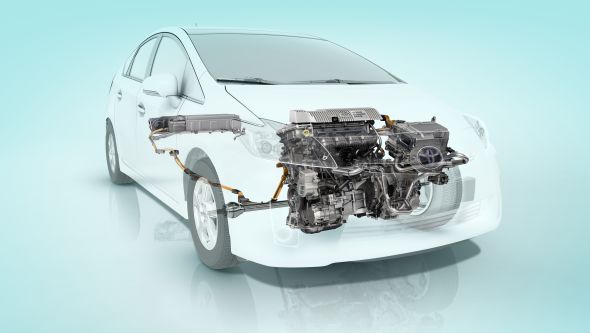
One of the main reasons behind this shift is the current limitation of EV infrastructure in many parts of the world. Charging networks are still developing, and range anxiety remains a concern for many buyers. Hybrid vehicles offer a balanced solution by combining a traditional internal combustion engine with an electric motor, allowing drivers to enjoy improved fuel efficiency without depending entirely on charging stations.
Another important factor is cost and affordability. Fully electric vehicles often come with higher upfront prices due to expensive battery technology. Hybrids, on the other hand, provide better fuel economy while remaining more accessible to a wider range of customers.
Consumer demand is also playing a key role in this trend. Many buyers are interested in reducing fuel consumption and emissions but are not yet ready to fully transition to electric vehicles. Hybrid models bridge this gap by delivering improved efficiency while maintaining the convenience of conventional refueling.
As a result, several major automakers are expanding their hybrid portfolios across SUVs, sedans, and compact vehicles. This approach allows manufacturers to meet environmental regulations while giving customers a more flexible and practical alternative during the global shift toward electrification.
Overall, hybrid technology are increasingly seen as a stepping stone between traditional combustion vehicles and fully electric mobility, helping the automotive industry transition smoothly toward a cleaner future.
Key Points: Hybrid Technology Making a Comeback
- Hybrid vehicles are gaining popularity as a transition between petrol cars and fully electric vehicles.
- Many automakers are slowing down full EV rollouts and focusing more on hybrid models.
- Charging infrastructure limitations in many regions are slowing EV adoption.
- Hybrids provide better fuel efficiency without relying completely on charging stations.
- EVs are still relatively expensive due to battery costs, while hybrids remain more affordable.
- Consumers want lower fuel consumption but still prefer the convenience of petrol refueling.
- Automakers are expanding hybrid options in SUVs, sedans, and compact cars.
- Hybrids help manufacturers meet emission regulations while maintaining practicality.
- The technology is becoming a bridge between traditional combustion engines and future EV mobility.
Also read about the: 2026 Renault Duster Revealed – New Design, Hybrid Engine, AWD & Expected Price
